

What Is Anxiety? Signs, Symptoms & Treatment
By Rebecca Vinci
Tender Roots Therapy & Wellness
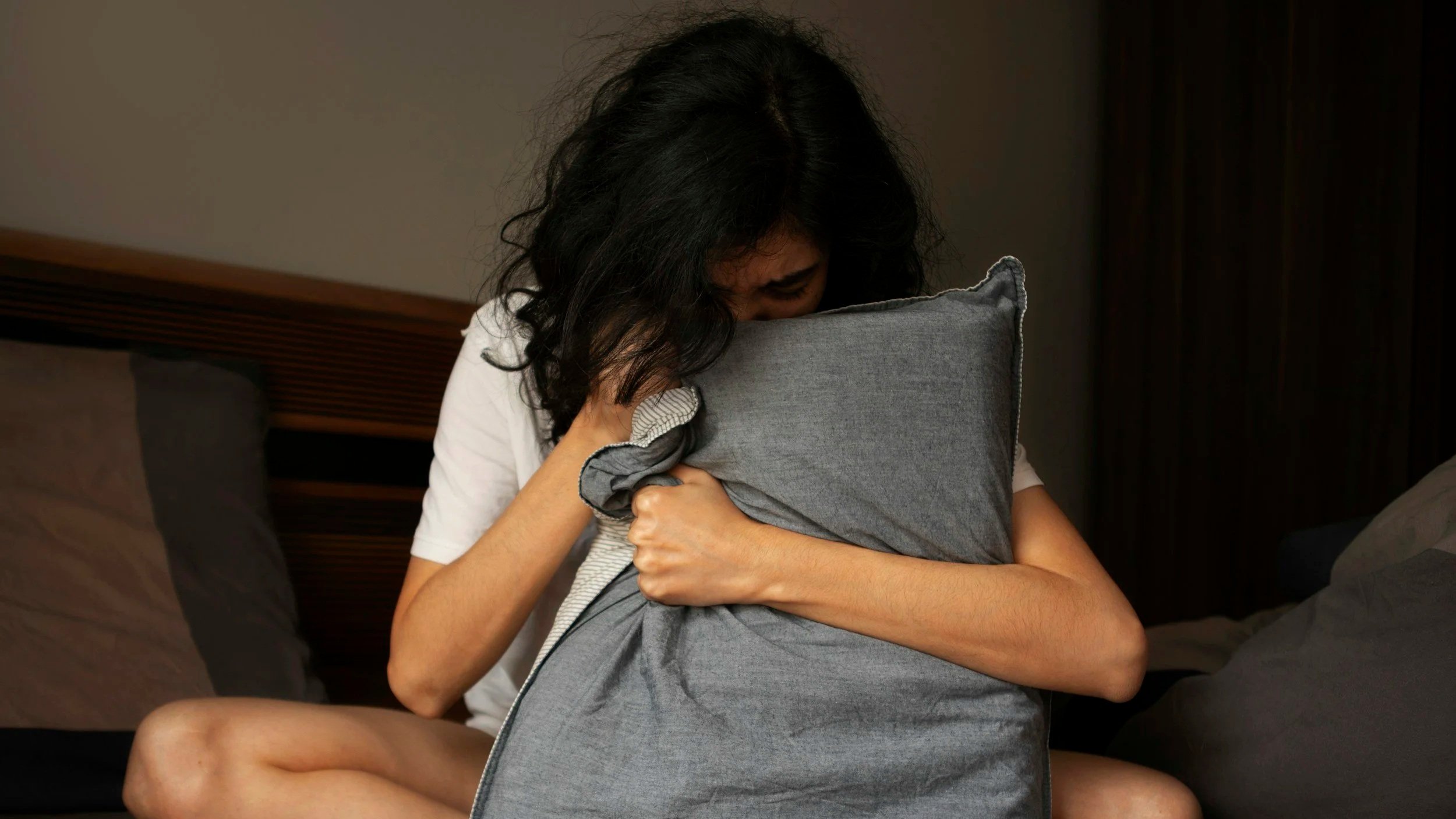
Anxiety can look like..
Overthinking
Over functioning
Catastrophization
Constant "what if" thinking
Intrusive thoughts
Avoidance
Tight chest
Mind Racing
Shortness of breath
Muscle tension
Digestive issues
Have you ever found yourself lying awake at night replaying conversations, worrying about the future, or feeling as though your mind simply won't slow down? If so, you're not alone.
Anxiety is one of the most common mental health concerns in Canada, affecting millions of people each year. While anxiety is a normal part of being human, it can become overwhelming when it begins interfering with your daily life, relationships, work, sleep, or overall wellbeing.
The good news is that anxiety is highly treatable, and with the right support, many people learn to manage their symptoms and feel more in control of their lives.
What Is Anxiety?
Anxiety is your body's natural response to perceived danger or uncertainty. It is part of an ancient survival system designed to protect us from threats.
When the brain detects danger, it activates the nervous system and prepares the body to fight, flee, freeze, or seek safety. This response can be incredibly helpful in genuinely dangerous situations.
The challenge is that sometimes our brains react to emotional, social, or imagined threats in the same way they would react to physical danger. As a result, we may experience anxiety even when there is no immediate threat present.
Anxiety exists on a spectrum. Most people experience occasional anxiety before a job interview, public speaking event, exam, or important life change. Anxiety becomes problematic when it is frequent, intense, difficult to control, or begins limiting your ability to live the life you want.
Common Signs and Symptoms of Anxiety
Anxiety affects more than just thoughts. It can impact your emotions, body, and behaviours.
Emotional Symptoms
Excessive worry
Feeling overwhelmed
Irritability
Restlessness
Feeling on edge
Difficulty relaxing
Fear of losing control
Physical Symptoms: Many people are surprised to learn that anxiety often shows up in the body first.
Common physical symptoms include:
Racing heart
Tight chest
Shortness of breath
Muscle tension
Headaches
Digestive issues
Nausea
Dizziness
Sweating
Fatigue
Difficulty sleeping
Cognitive Symptoms: Anxiety can influence the way we think and interpret situations.
You may notice:
Overthinking
Catastrophizing (assuming the worst)
Difficulty concentrating
Constant "what if" thinking
Intrusive thoughts
Difficulty making decisions
Behavioural Symptoms: Anxiety often changes the way we behave.
Examples include:
Avoiding certain situations
Seeking reassurance from others
Procrastinating
Over-preparing
Difficulty setting boundaries
Withdrawing from social situations
What Causes Anxiety?
There is rarely a single cause of anxiety. Instead, anxiety is often influenced by a
combination of factors.

People who are highly conscientious, sensitive, empathetic, or perfectionistic may be more vulnerable to anxiety.
Genetics
Research suggests that anxiety can run in families, meaning some individuals may be more biologically predisposed to experiencing anxiety.
Life Experiences
Stressful or traumatic experiences can contribute to the development of anxiety. This may include:
Childhood adversity
Relationship difficulties
Loss and grief
Workplace stress
Major life transitions
Personality Factors
People who are highly conscientious, sensitive, empathetic, or perfectionistic may be more vulnerable to anxiety.
Anxiety Affects the Nervous System
Many people believe anxiety is simply "thinking too much," but anxiety is actually a whole-body experience.
When anxiety is activated, the nervous system shifts into survival mode. Blood flow moves away from areas involved in long-term planning and toward systems needed for protection.
This is why anxiety can make it difficult to think clearly, make decisions, stay present, or access feelings of calm.
Understanding anxiety through a nervous system lens often helps reduce shame. Anxiety is not a sign of weakness. It is a protective system that has become overactive. Some individuals naturally have a more sensitive nervous system, making them more reactive to stress, uncertainty, or change.
Types of Anxiety Disorders

Anxiety can take many forms.
Some of the most common anxiety disorders include:
Generalized Anxiety Disorder (GAD)
Persistent and excessive worry about multiple areas of life.
Panic Disorder
Recurring panic attacks and fear of experiencing future attacks.
Social Anxiety Disorder
Intense fear of being judged, embarrassed, or rejected by others.
Obsessive-Compulsive Disorder (OCD)
A condition involving unwanted intrusive thoughts and repetitive behaviours or mental rituals performed to reduce distress.
Specific Phobias
Intense fears related to particular situations, objects, or experiences.
How Is Anxiety Treated?
The encouraging news is that anxiety is highly treatable.
Therapy
Counselling can help individuals understand the roots of their anxiety and develop healthier ways of responding to stress.
Approaches that may be helpful include:
Cognitive Behavioural Therapy (CBT)
Acceptance and Commitment Therapy (ACT)
Somatic Therapy
Mindfulness-Based Approaches
Emotion-Focused Therapy (EFT)
Internal Family Systems (IFS)
Lifestyle Supports
Small lifestyle changes can have a meaningful impact on anxiety symptoms.
Helpful practices may include:
Regular exercise
Consistent sleep
Mindfulness practices
Limiting excessive caffeine
Spending time in nature
Building supportive relationships
Medication
For some individuals, medication can be a helpful part of treatment. Medication decisions should always be discussed with a physician or healthcare provider.
When Should You Seek Help?
Consider seeking support if anxiety is:
Interfering with work or school
Affecting relationships
Impacting sleep
Causing significant distress
Leading to avoidance of important activities
Making daily life feel overwhelming
You do not need to wait until anxiety becomes severe before reaching out for help.
Frequently Asked Questions
Is anxiety normal?
Yes. Anxiety is a normal human emotion. It becomes a concern when it is persistent, excessive, or interferes with daily functioning.
Can anxiety cause physical symptoms?
Absolutely. Anxiety commonly causes physical symptoms such as muscle tension, digestive issues, racing heart, dizziness, headaches, and fatigue.
Will anxiety ever go away completely?
Most people continue to experience anxiety occasionally throughout life. The goal of treatment is not to eliminate anxiety entirely but to develop a healthier relationship with it and reduce its impact.
Can therapy help anxiety?
Research consistently shows that therapy is one of the most effective treatments for anxiety disorders. Many people experience significant improvement through counselling.
Final Thoughts
Anxiety can feel exhausting, isolating, and overwhelming. Yet anxiety is also incredibly common and highly treatable. Understanding how anxiety works is often the first step toward healing.
If you are struggling with excessive worry, panic, overthinking, or anxiety that is affecting your quality of life, support is available. You do not have to navigate it alone.
At Tender Roots Therapy & Wellness, we provide compassionate, evidence-based counselling for anxiety and related concerns. Together, we can help you better understand your mind, regulate your nervous system, and build a life that feels calmer, more meaningful, and more aligned with your values.
References
Centre for Addiction and Mental Health. (n.d.). Anxiety disorders. https://www.camh.ca/en/health-info/mental-illness-and-addiction-index/anxiety-disorders
Centre for Addiction and Mental Health. (n.d.). Understanding anxiety. https://www.camh.ca/en/camh-news-and-stories/understanding-anxiety
Canadian Mental Health Association. (n.d.). Understanding and finding help for anxiety disorders. https://ontario.cmha.ca/documents/understanding-and-finding-help-for-anxiety/
